What Makes Gayo Arabica Coffee One of Indonesia’s Finest Specialty Coffees?

Gayo Arabica Coffee is one of the most respected names in Indonesian Specialty Coffee. Grown in the cool highlands of Aceh, Indonesia, it is known for a smooth body, rich aroma, layered sweetness, and a distinctive cup profile that feels both refined and deeply rooted in place. For coffee lovers, roasters, cafes, and customers searching for Specialty Coffee Indonesia, Gayo Arabica offers a clear reason to pay attention: it combines origin character, farming heritage, processing diversity, and everyday drinkability in one origin.
This article explains what makes Gayo Arabica Coffee special, why it matters in the global specialty coffee market, and how buyers can understand its flavor, processing methods, brewing potential, and quality expectations before choosing a product.
Quick Answer: Why Is Gayo Arabica Coffee So Highly Regarded?
Gayo Arabica Coffee is highly regarded because it grows in the highland environment of Aceh, where cool mountain air, fertile volcanic soil, and long coffee-growing traditions support a distinctive cup profile. Compared with many mass-market coffees, well-selected Gayo Arabica usually offers more depth: a smooth body, pleasant aroma, gentle acidity, chocolate or spice-like warmth, and sometimes fruit-forward complexity depending on the processing method.
Also Read: Wild Luwak Coffee: Why Authentic Wild Civet Coffee Remains One of the World’s Most Exclusive Coffees
Its strength is not only taste. Gayo coffee has a strong regional identity. Buyers are not just choosing a coffee bean; they are choosing an Indonesian origin with a recognizable character. That is why Gayo Arabica remains important for cafes, roasters, cafes and larger orders, and specialty coffee drinkers who want a coffee that can stand on its own without excessive branding noise.
Where Gayo Arabica Coffee Comes From
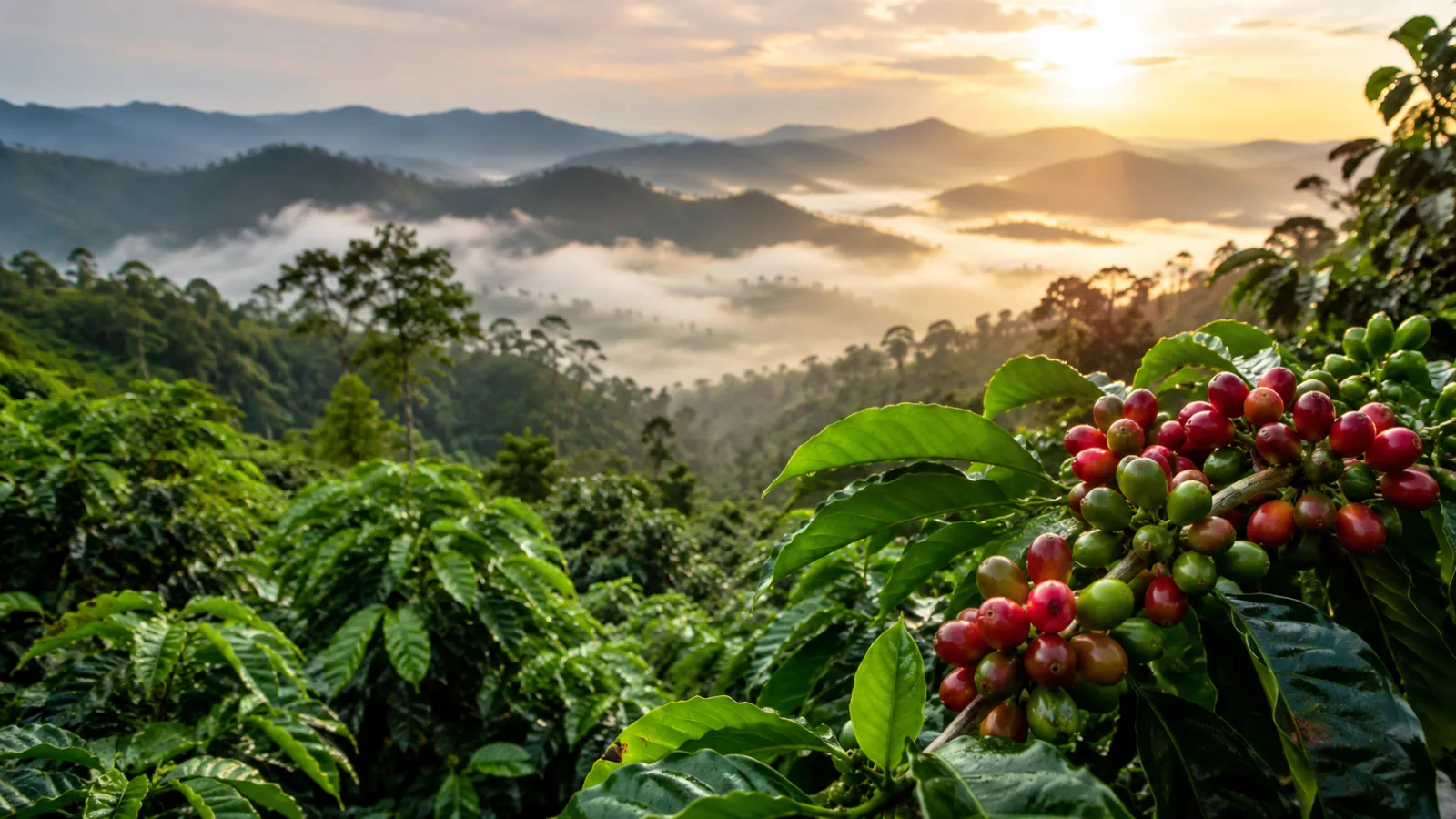
Gayo Arabica Coffee comes from the Gayo Highlands in Aceh, northern Sumatra, Indonesia. The region is closely associated with Arabica coffee farming, mountain landscapes, and smallholder production. The highland environment helps coffee cherries mature more slowly, allowing the beans to develop more layered character before harvest.
In specialty coffee, origin matters because climate, soil, elevation, rainfall, shade, harvesting, and post-harvest handling all influence the final cup. Gayo coffee benefits from a growing region that naturally supports Arabica. The cooler highland setting can help preserve aromatic complexity, while fertile soil gives the coffee structure and depth.
For buyers looking for Indonesian Specialty Coffee, Gayo is often one of the first origins worth studying. It is recognized for offering a cup that is smooth enough for daily drinking but complex enough for manual brew, cupping, retail packaging, and cafe menus.
The Highland Environment Behind the Cup
One of the reasons Gayo Arabica Coffee has a strong reputation is the environment where it grows. Coffee grown in highland areas often develops a denser bean structure and a more complex flavor potential. In the Gayo Highlands, the combination of altitude, misty mountain conditions, fertile soil, and farming knowledge creates a strong base for quality Arabica coffee.
Highland coffee does not automatically become specialty coffee. Quality still depends on selective picking, processing control, drying, storage, roasting, and brewing. However, the environment gives Gayo coffee a strong starting point. When handled well, the result can be a cup with smooth body, aromatic depth, balanced acidity, and a finish that feels clean yet full.
Flavor Profile: What Does Gayo Arabica Coffee Taste Like?
Gayo Arabica Coffee is often appreciated for its smooth body, rich aroma, and balanced cup. Depending on roast profile and processing method, it can show notes that remind drinkers of chocolate, caramel, brown sugar, herbs, spice, dried fruit, or gentle floral tones. Many buyers also describe Gayo coffee as having lower perceived acidity compared with brighter African or Central American coffees.
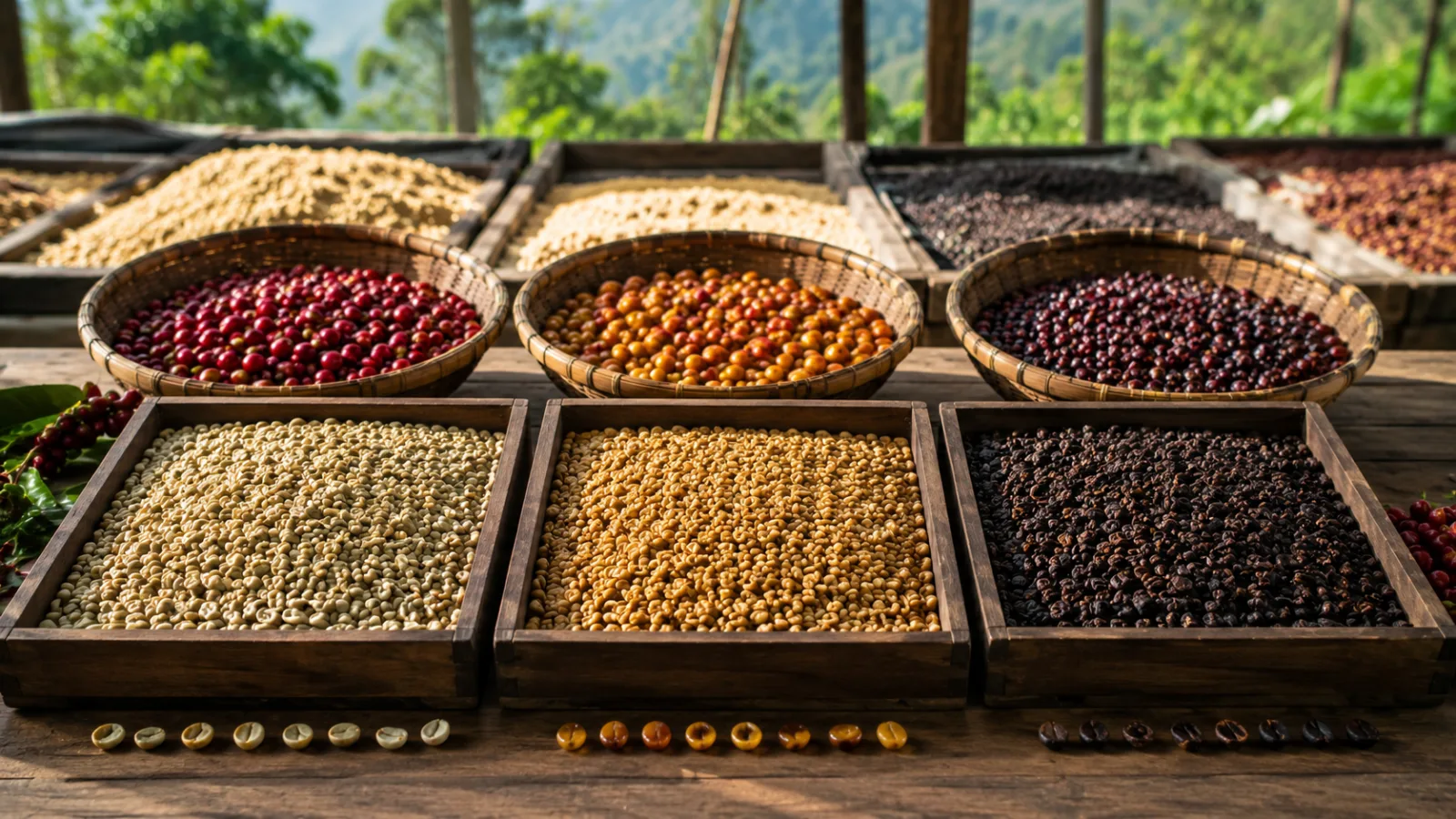
This makes Gayo Arabica flexible. It can be roasted for a comforting daily cup, but it can also be selected and processed for a more expressive specialty experience. A clean Full Wash Gayo may highlight clarity and balance. A Honey Process Gayo may bring sweetness and a rounded mouthfeel. A Natural or Wine Process Gayo may show more fruit-forward aroma and a distinctive finish.
Common Cup Characteristics
- Smooth body: A rounded mouthfeel that works well for black coffee and manual brew.
- Rich aroma: A pleasant fragrance that can range from warm and chocolate-like to fruity and layered.
- Balanced acidity: Usually not overly sharp, making it approachable for many drinkers.
- Highland depth: A grounded, memorable character linked to Aceh’s mountain origin.
- Processing variety: Different process styles create different expressions of the same origin.
Why Processing Method Matters
One of the strongest reasons Gayo Arabica Coffee performs well in the specialty market is the range of processing styles available. Processing is the stage where the coffee cherry is transformed into green coffee ready for roasting. It can influence sweetness, acidity, aroma, body, and aftertaste.
For buyers comparing Specialty Coffee Indonesia, process selection is not a small detail. It can change how the coffee behaves in the cup and how it should be positioned on a product page, cafe menu, or retail shelf.
Full Wash Gayo Coffee
Full Wash Gayo coffee usually offers a cleaner and more structured cup. The profile can feel refined, balanced, and easier to evaluate. This style is a good choice for drinkers who want clarity, consistent brewing, and a smooth finish. It works especially well for pour-over brewing such as V60 or Kalita.
Explore: Arabica Gayo Coffee Full Wash 200g.
Semi Washed Gayo Coffee
Semi Washed coffee is strongly connected with Indonesian coffee character. It can produce a fuller body, lower perceived acidity, warm depth, and a grounded finish. For many drinkers, this is the classic Gayo style: smooth, rich, and familiar without being flat.
Honey Process Gayo Coffee
Honey Process Gayo coffee can offer gentle sweetness, rounded body, and a clean yet warmer finish. It is often a good middle ground between clean washed coffee and more expressive natural-style coffees. It suits daily manual brewing, black coffee, gifts, cafes, and sample orders.
Explore: Arabica Gayo Coffee Honey Process 200g.
Natural and Wine Process Gayo Coffee
Natural Process and Wine Process Gayo coffees often appeal to drinkers who want more aroma and fruit-forward complexity. These coffees can feel more expressive, with layered sweetness and a longer aromatic finish. They are useful for cafes, roasters, and buyers who want to offer a more distinctive Indonesian specialty coffee experience.
Explore: Arabica Gayo Coffee Wine Process 200g.
The Role of Farmers and Selective Picking
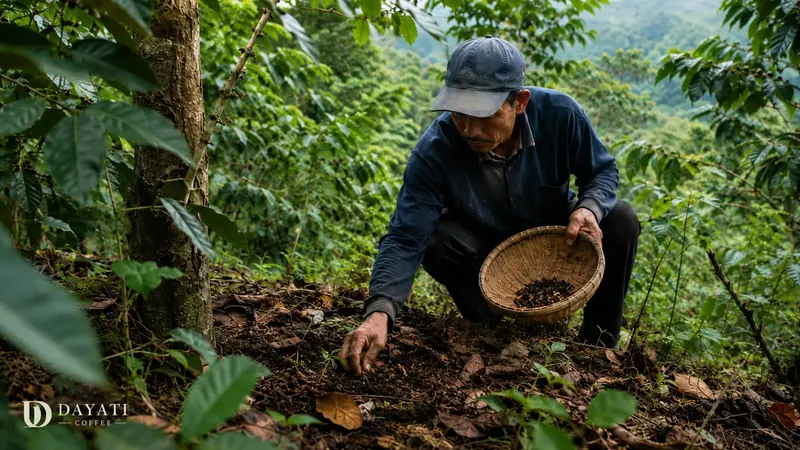
High-quality coffee begins before roasting. It starts with farming, cherry maturity, and careful selection. Ripe coffee cherries are important because they contain the sugars and compounds needed to produce sweetness, aroma, and balance in the cup. When cherries are harvested too early or mixed carelessly, the result can be uneven flavor and less clarity.
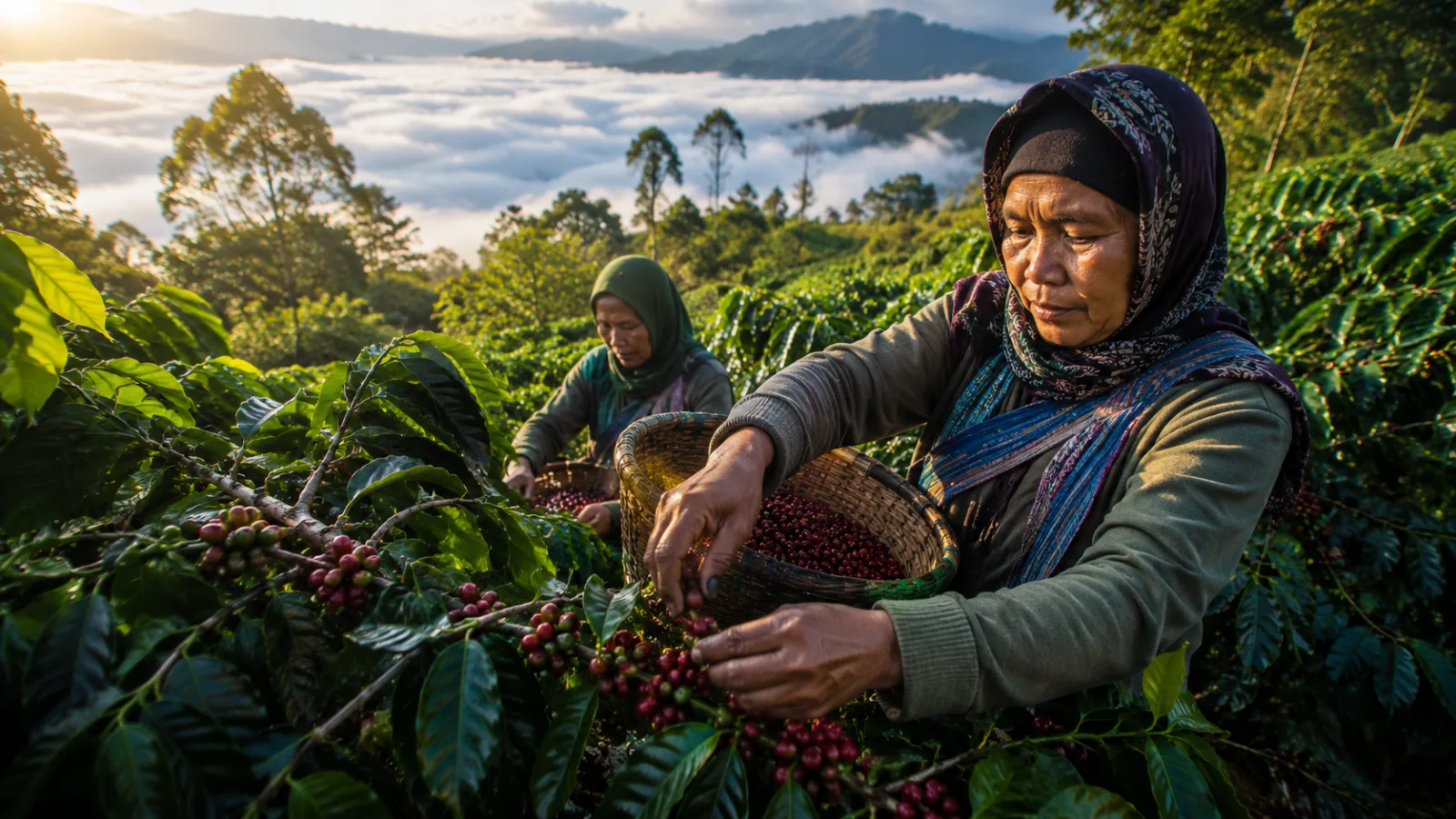
In Gayo coffee production, many farms are smallholder-based. This gives the origin a human scale: families, local knowledge, repeated harvest cycles, and a deep relationship with the land. For customers, this is part of the appeal of Indonesian Specialty Coffee. The coffee is not only a commodity; it comes from a place with farming culture and regional identity.
What Makes Gayo Different from Other Indonesian Coffees?
Indonesia has many important coffee origins, including Java, Bali, Toraja, Flores, Mandheling, and other Sumatran regions. Gayo stands out because it is closely associated with Arabica quality, highland identity, and a cup profile that can be both smooth and expressive.
Some Indonesian coffees are known for heavy earthiness. Gayo can be different. It can still carry the depth people expect from Indonesian coffee, but well-selected Gayo Arabica often feels cleaner, more aromatic, and more versatile. That balance makes it easier to introduce to international customers who want a specialty coffee with Indonesian identity but without excessive harshness.
For cafes and roasters, this versatility matters. One Gayo coffee might be roasted for a smooth black coffee. Another might be used as a manual brew feature. Another might be selected as a gift product or sample for buyers comparing process styles. This is why Gayo Arabica Coffee has strong commercial potential beyond local demand.
Why Gayo Arabica Coffee Works for Global Buyers
Customers often need more than a good story. They need clear product information, reliable communication, practical packaging, available roast and grind options, and a cup profile that customers can understand. Gayo Arabica Coffee works well in this context because it offers a recognizable origin and enough flavor flexibility to support several product types.
For a retail customer, a 200g pack of Gayo coffee is easy to try. For a cafe, Gayo can become a menu item that introduces Indonesian specialty coffee to regular customers. For roasters, it can serve as a useful origin for profile development. For cafes and larger orders, it can become a product line with different process options, such as Full Wash, Honey Process, Natural Process, Semi Washed, and Wine Process.
The key is clarity. Buyers should know what they are getting: origin, process, net weight, cup character, roast profile, grind size, and shipping expectations. Good coffee becomes easier to sell when the information around it is honest and practical.
How to Brew Gayo Arabica Coffee
Gayo Arabica Coffee is flexible across several brewing methods. The right method depends on the process, roast profile, and personal taste. For most drinkers, a medium grind is a good starting point for pour-over. A coarse grind works better for French press or immersion brewing. Whole bean is ideal if freshness and aroma control are important.
Recommended Brewing Methods
- V60 or Kalita: Good for clarity, aroma, and a clean finish.
- AeroPress: Flexible for both clean and heavier cup styles.
- French press: Good for fuller body and a richer mouthfeel.
- Moka pot: Useful for a stronger coffee base, especially for milk coffee.
- Black coffee brewing: Practical for daily drinking and simple routines.
As a general guide, start with freshly ground coffee, clean water, and a ratio that fits your preferred strength. Adjust grind size, water temperature, and contact time until the cup feels balanced. If the coffee tastes too bitter, try a coarser grind or shorter extraction. If it tastes weak or sour, try a finer grind or slightly longer extraction.
How to Choose the Right Gayo Coffee Process
If you are new to Gayo Arabica Coffee, choose based on the cup style you want. For a clean and balanced profile, start with Full Wash. For a classic Indonesian-style body, choose Semi Washed. For gentle sweetness and a rounded cup, choose Honey Process. For a more expressive aroma and fruit-forward character, try Natural Process or Wine Process.
There is no single “best” process for everyone. The best Gayo coffee is the one that matches your brewing method, taste preference, and buying purpose. A home brewer may want whole beans for freshness. A gift buyer may want a distinctive process. A cafe may want multiple profiles for customer comparison. A wholesale buyer may need samples before deciding on a larger order.
Storage Tips for Better Aroma
Even excellent coffee can lose quality if stored poorly. Keep coffee in a cool, dry place away from direct sunlight, moisture, heat, and strong odors. Close the package tightly after opening. If possible, grind only what you need before brewing, because whole bean coffee keeps aroma better than pre-ground coffee.
For ground coffee, use it within a reasonable period after opening and keep it sealed between brews. For whole bean coffee, a simple hand grinder or electric grinder can make a big difference in aroma and freshness.
Why Dayati Coffee Focuses on Clear Gayo Coffee Offers
Dayati Coffee focuses on authentic coffee products and clear communication. That means product pages should help buyers understand the coffee without confusing claims. The goal is simple: make it easier to choose Gayo Arabica Coffee based on origin, process, roast profile, grind size, cup character, package size, and buyer needs.
Dayati Coffee does not offer private label packaging. The focus is on Dayati Coffee products, selected Gayo coffee beans, practical product information, sample discussions, wholesale support, and global shipping coordination where available. This approach keeps the offer direct and easier to understand for coffee lovers, cafes, roasters, and customers.
See available products: Gayo coffee products from Aceh, Indonesia. Learn more about the brand: About Dayati Coffee. For sample orders, availability, or wholesale discussion, visit Contact Dayati Coffee.
How to Evaluate Gayo Arabica Coffee Before Buying
A stronger buying decision starts with clear product details. For Gayo Arabica Coffee, buyers should look beyond attractive packaging and check the core information: origin, process, net weight, roast profile, grind option, cup character, storage advice, and order availability. These details help customers understand whether the coffee matches their brewing method and taste preference.
For personal buyers, the most useful questions are simple. Do you want whole bean or ground coffee? Do you prefer a clean cup or a fruitier cup? Will you brew with V60, French press, moka pot, AeroPress, or a simple black coffee method? If the product page answers these questions clearly, the buyer can choose with more confidence.
For cafes, roasters, and cafes and larger orders, evaluation should be more systematic. Compare aroma, sweetness, acidity, body, aftertaste, roast consistency, grind suitability, and customer appeal. A coffee that tastes interesting in one brew may need adjustment before it becomes practical for a cafe menu or retail shelf. This is why sample discussion is valuable before larger orders.
What Professional Buyers Should Ask
Professional buyers need practical answers, not only beautiful descriptions. Ask about available process styles, roast profile, pack size, order quantity, sample availability, shipping coordination, and realistic lead time. If the coffee is intended for resale, gift boxes, or cafe service, it is also important to understand whether the product is supplied as Dayati Coffee packaging and whether private label packaging is available.
For Dayati Coffee, the answer is clear: private label packaging is not offered. This keeps the brand position direct and honest. Buyers can focus on Dayati Coffee products, Gayo coffee character, available roast and grind options, and practical supply communication. That clarity is better for long-term trust than promising services outside the actual offer.
Good Indonesian Specialty Coffee should be presented with enough information to support both taste and business decisions. A buyer should not need to guess what process the coffee uses, what profile to expect, or how to discuss availability. Clear communication is part of the quality experience.
Frequently Asked Questions About Gayo Arabica Coffee
What is Gayo Arabica Coffee?
Gayo Arabica Coffee is Arabica coffee grown in the Gayo Highlands of Aceh, Indonesia. It is known for smooth body, rich aroma, balanced acidity, and distinctive Indonesian specialty coffee character.
Is Gayo Arabica Coffee considered specialty coffee?
Gayo Arabica can be part of the specialty coffee market when it is carefully harvested, processed, roasted, stored, and brewed. The origin has strong potential, but final quality depends on handling at every stage.
What does Gayo Arabica Coffee taste like?
Common cup characteristics include smooth body, aromatic depth, chocolate-like warmth, gentle sweetness, balanced acidity, and sometimes fruit-forward notes depending on the process.
Which Gayo coffee process should I choose?
Choose Full Wash for a cleaner profile, Semi Washed for classic body, Honey Process for rounded sweetness, and Natural or Wine Process for a more expressive aroma and fruit-forward character.
Can cafes and cafes and larger orders order Gayo Arabica Coffee?
Yes. Cafes, roasters, distributors, and cafes and larger orders can discuss samples, order quantities, product availability, roast profile, grind size, payment terms, and shipping coordination with Dayati Coffee.
Final Thoughts
Gayo Arabica Coffee deserves its reputation because it brings together highland growing conditions, Indonesian coffee heritage, processing diversity, and a cup profile that appeals to both everyday drinkers and specialty coffee buyers. It can be smooth and comforting, clean and balanced, or expressive and fruit-forward depending on the process and roast.
For anyone exploring Indonesian Specialty Coffee, Gayo is one of the most important origins to understand. It is a strong entry point into Specialty Coffee Indonesia because it offers origin identity, practical brewing flexibility, and enough depth to support retail, cafe, sample, and wholesale needs. When presented clearly and brewed with care, Gayo Arabica Coffee is not just another coffee from Indonesia. It is a coffee with place, character, and global potential.

You might also like