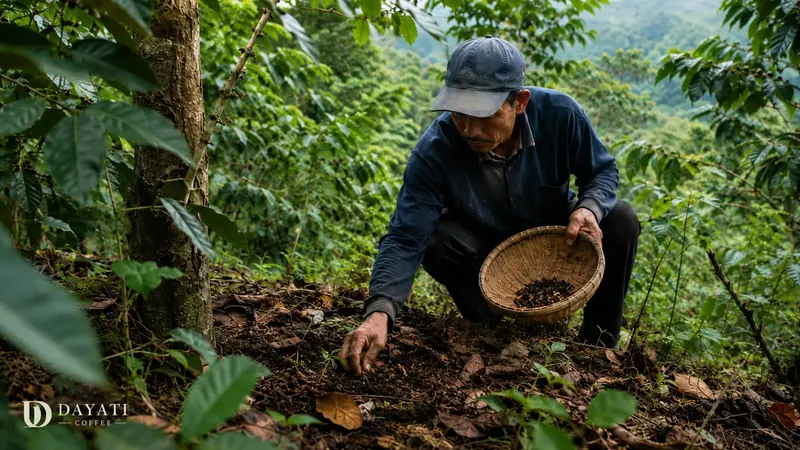
Gayo Full Wash vs Natural vs Honey Process: Understanding the Flavor Differences
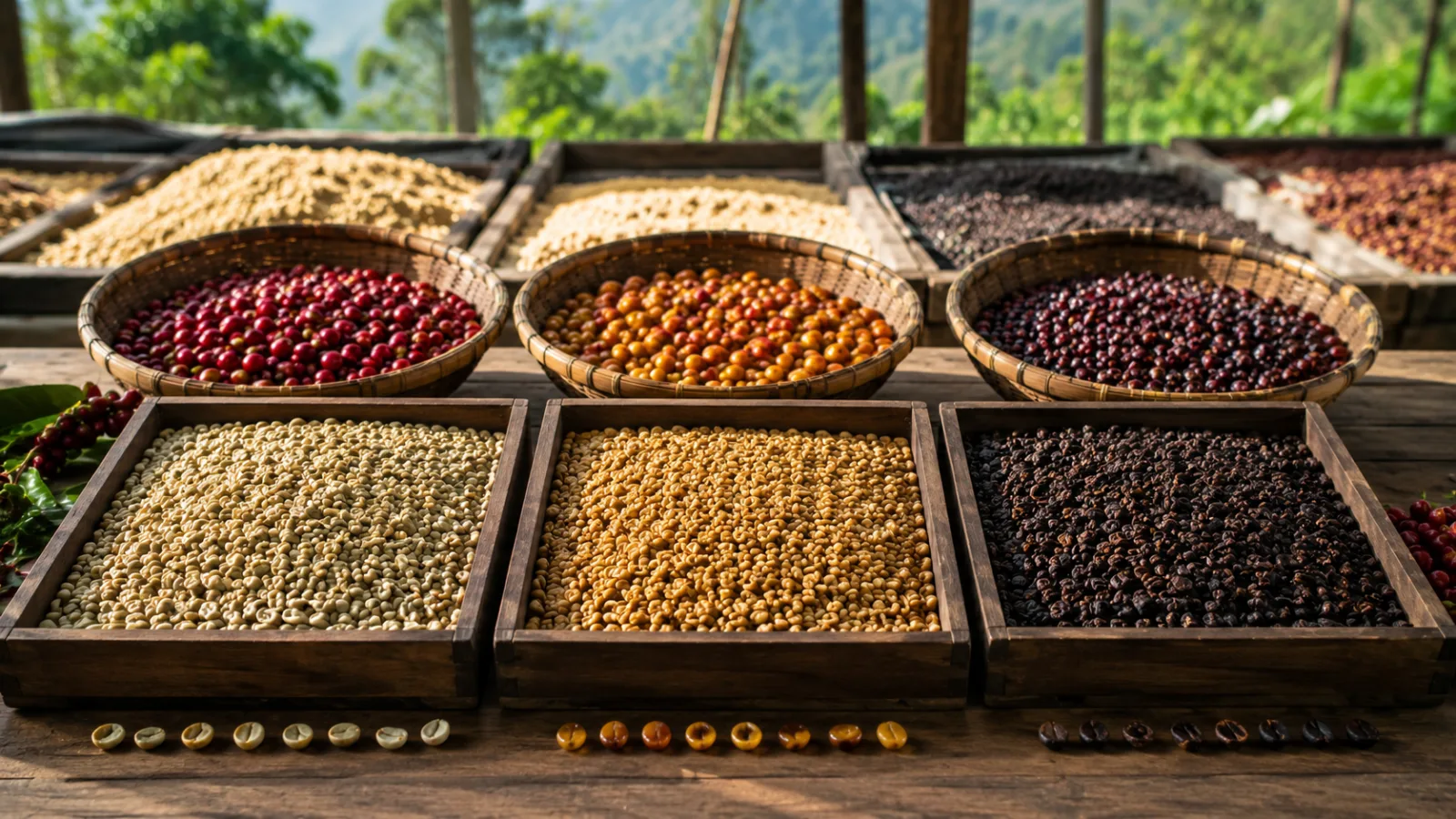
Gayo Full Wash, Gayo Natural Process, and Gayo Honey Process can all come from the same Aceh Gayo highland origin, yet they can taste noticeably different in the cup. The reason is processing. After coffee cherries are harvested, the way the fruit, mucilage, seed, drying time, and fermentation are handled will influence aroma, sweetness, acidity, body, and aftertaste.
For coffee lovers, cafes, roasters, and buyers comparing Indonesian specialty coffee, understanding these processing differences is useful before choosing a product. A Full Wash Gayo coffee may feel cleaner and more structured. A Natural Process Gayo coffee may feel more fruit-forward and aromatic. A Honey Process Gayo coffee often sits between both: rounded, sweet, smooth, and balanced.
This guide explains how each process works, what flavor differences to expect, which brewing methods fit each profile, and how to choose the right Gayo coffee for your taste or buying purpose.
Also Read: Wild Luwak Coffee: Why Authentic Wild Civet Coffee Remains One of the World’s Most Exclusive Coffees
Quick Comparison: Full Wash vs Natural vs Honey Process
If you want the short answer, the difference is simple: Full Wash is usually the cleanest, Natural Process is usually the most fruit-forward, and Honey Process is usually the most rounded and sweet. The details matter, though, because roast profile, bean quality, drying control, storage, and brewing method also shape the final cup.
| Process | Main Character | Typical Cup Impression | Best For |
|---|---|---|---|
| Gayo Full Wash | Clean and structured | Refined aroma, balanced acidity, smooth finish | Pour-over, cafes, daily clean cup, buyers who value clarity |
| Gayo Natural Process | Fruit-forward and aromatic | Layered fruit character, deeper sweetness, fuller aroma | Manual brew, tasting menus, gifts, buyers who want expressive coffee |
| Gayo Honey Process | Rounded and sweet | Gentle sweetness, smooth body, balanced aroma, clean finish | Daily brew, retail packs, cafes, customers who want approachable sweetness |
Why Processing Changes Coffee Flavor
Coffee is the seed of a fruit. Before it becomes green coffee ready for roasting, the cherry must be processed. Processing determines how much fruit remains around the seed during drying, how long the seed interacts with mucilage, how drying is managed, and how fermentation develops. These steps can change how the coffee tastes even when the origin, variety, and farm environment are similar.
In the Aceh Gayo highlands, processing is especially important because the origin already has a strong base character: smooth body, rich aroma, highland depth, and approachable acidity. Different processing methods can push that base profile in different directions. Full Wash can make it cleaner. Natural Process can make it more expressive. Honey Process can make it sweeter and rounder.
That is why a product title such as Gayo Full Wash, Gayo Natural Process, or Gayo Honey Process is not just a technical label. It is a signal to the buyer about what kind of cup experience to expect.
What Is Gayo Full Wash?
Gayo Full Wash coffee is processed by removing the outer fruit and mucilage before drying. In general, washed processing aims to create a cleaner cup because less fruit material remains on the bean during drying. This often gives the coffee more clarity, a more defined structure, and a smoother finish.
For Gayo Arabica coffee, Full Wash can highlight the elegant side of the origin. Instead of heavy fruit fermentation, the cup may show refined aroma, balanced acidity, smooth body, and a clean aftertaste. It is a good choice for buyers who want a dependable coffee that is easy to understand and easy to brew consistently.
Typical Gayo Full Wash Flavor Profile
- Aroma: Clean, refined, sometimes floral or lightly sweet.
- Body: Smooth and medium, not overly heavy.
- Acidity: Balanced and more defined than heavier process styles.
- Sweetness: Gentle, often more subtle than Honey or Natural Process.
- Finish: Clean, structured, and easy to evaluate.
Choose Gayo Full Wash if you prefer a cup that feels clean, balanced, and consistent. It is also a practical option for cafes because it can be easier to explain to customers who want a smooth Indonesian specialty coffee without too much fermentation character.
Explore: Arabica Gayo Coffee Full Wash 200g.
What Is Gayo Natural Process?
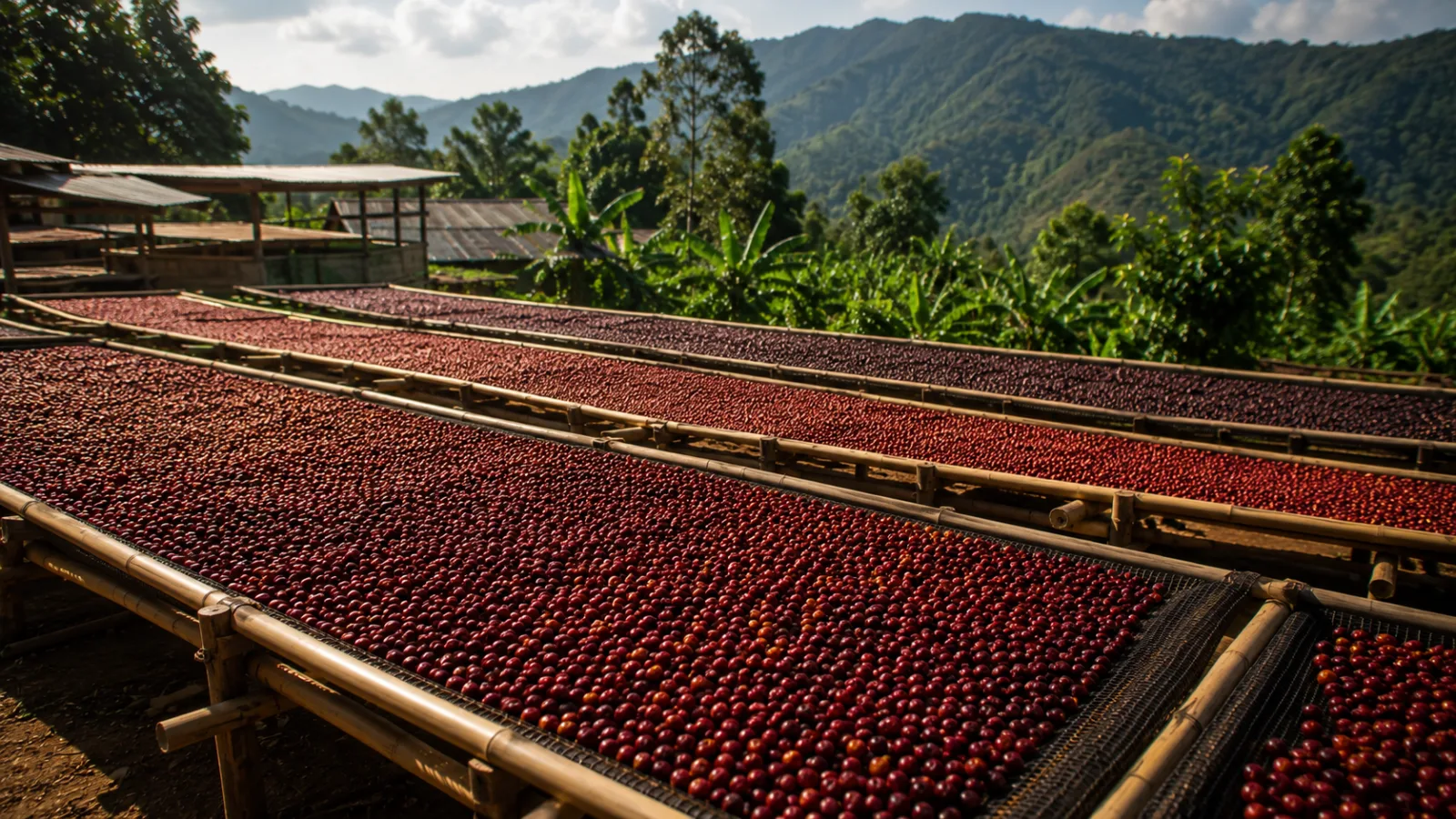
Gayo Natural Process coffee is dried with the coffee cherry still surrounding the bean. Because the fruit remains in contact with the seed for a longer period, Natural Process coffee can develop a more fruit-forward aroma, deeper sweetness, and a fuller cup impression.
Natural processing can be beautiful when it is well controlled. It can produce a coffee that feels expressive, aromatic, and memorable. However, it also requires careful drying and sorting. If drying is uneven, the cup can become too fermented, heavy, or inconsistent. This is why good Natural Process coffee depends heavily on careful post-harvest handling.
Typical Gayo Natural Process Flavor Profile
- Aroma: Fruit-forward, layered, and more expressive.
- Body: Fuller and rounder than many washed coffees.
- Acidity: Can feel softer or more fruit-like depending on roast and brew.
- Sweetness: Deeper, sometimes reminding drinkers of ripe fruit or dried fruit.
- Finish: Longer and more aromatic, with more personality in the aftertaste.
Choose Gayo Natural Process if you want a more distinctive cup. It is suitable for manual brewing, tasting flights, coffee gifts, and buyers who want to compare process character side by side. Natural Process is often the most noticeable of the three because the fruit character can stand out clearly.
Explore: Arabica Gayo Coffee Natural Process 200g.
What Is Gayo Honey Process?
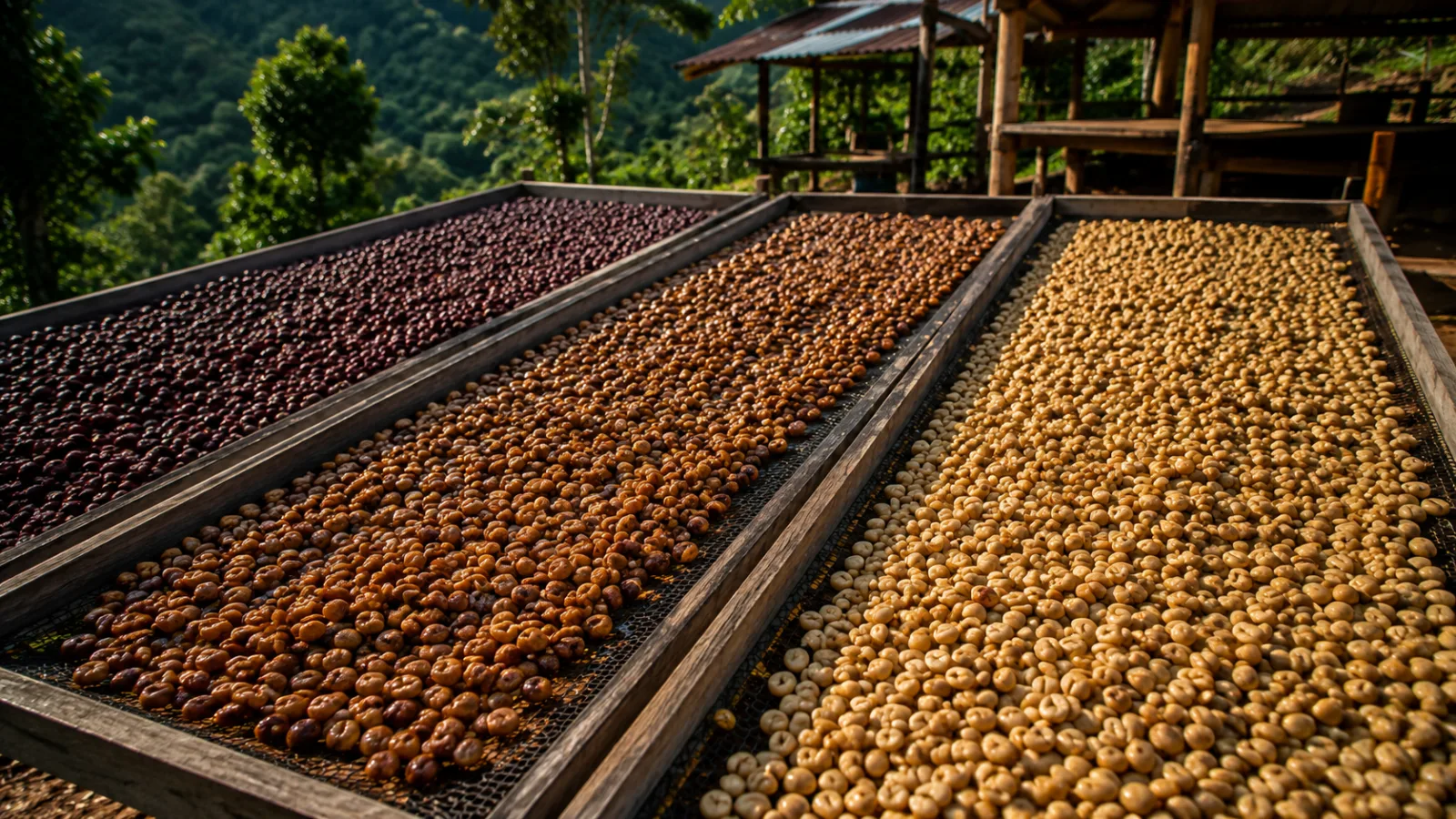
Gayo Honey Process coffee is processed by removing the skin while leaving some mucilage on the bean during drying. It is called honey process not because honey is added, but because the sticky mucilage can resemble honey in texture. This method often creates a cup that feels sweeter and rounder than washed coffee while staying cleaner than many natural coffees.
For Gayo coffee, Honey Process can be a very practical middle ground. It can bring gentle sweetness, smooth body, and balanced aroma without becoming too wild or too sharp. Many drinkers find Honey Process coffee easy to enjoy because it has enough character to feel special but still remains approachable for daily brewing.
Typical Gayo Honey Process Flavor Profile
- Aroma: Warm, sweet, balanced, and approachable.
- Body: Smooth and rounded.
- Acidity: Gentle, usually less sharp than a very clean washed profile.
- Sweetness: Noticeable but not overwhelming.
- Finish: Clean enough for daily drinking with a soft sweet aftertaste.
Choose Gayo Honey Process if you want a balanced coffee that is neither too clean nor too fruity. It is a strong option for retail packs, cafes, gifts, and customers who want a sweet, smooth Indonesian specialty coffee.
Explore: Arabica Gayo Coffee Honey Process 200g.
Which Process Has the Most Acidity?
Full Wash often gives the clearest acidity because the processing style highlights structure and clarity. In Gayo coffee, this acidity is usually still approachable rather than extremely sharp. Natural Process may feel less like bright acidity and more like fruit sweetness. Honey Process often sits in the middle with a soft, rounded acidity.
If you dislike sharp acidity, Honey Process or Natural Process may feel easier to drink. If you want a cleaner cup that is easier to analyze, Full Wash may be better. But remember: roast profile and brewing method can change acidity as much as processing does. A darker roast will usually soften acidity, while a lighter roast may preserve more brightness.
Which Process Has the Most Sweetness?
Natural Process and Honey Process usually give stronger sweetness impressions than Full Wash. Natural Process may show deeper fruit sweetness, while Honey Process often gives a smoother, caramel-like or rounded sweetness. Full Wash can still be sweet, but the sweetness is usually cleaner and more subtle.
For customers buying coffee as a gift or trying Gayo coffee for the first time, Honey Process can be a safe and pleasant choice. For coffee enthusiasts who enjoy bold aroma and fruit complexity, Natural Process may be more exciting.
Which Process Has the Cleanest Cup?
Gayo Full Wash usually has the cleanest cup. Because the fruit and mucilage are removed before drying, the final profile tends to show less heavy fermentation character. This makes Full Wash useful for people who want to taste the origin clearly without too much process influence.
Clean does not mean boring. A good Full Wash Gayo coffee can still have aroma, sweetness, body, and depth. It simply expresses those qualities in a more structured way.
Best Brewing Methods for Each Process
The right brewing method depends on your preference, but processing can guide your starting point. Full Wash often performs well with pour-over methods that highlight clarity. Natural Process can be enjoyable with V60, AeroPress, and immersion methods because those methods can show aroma and body. Honey Process is flexible and works well across pour-over, AeroPress, French press, and daily black coffee brewing.
Brewing Suggestions
- Gayo Full Wash: Try V60 or Kalita with medium grind for a clean and structured cup.
- Gayo Natural Process: Try AeroPress, V60, or French press to explore fruit aroma and fuller body.
- Gayo Honey Process: Try V60, Kalita, AeroPress, or black coffee brewing for rounded sweetness.
For all three, whole bean is ideal if you want better aroma control. Choose medium grind for pour-over, coarse grind for immersion brewing, and fine grind only when your brewing method needs stronger extraction.
How Buyers Should Choose Between Full Wash, Natural, and Honey
If you are buying for personal brewing, start from taste preference. If you like clean, balanced, and structured coffee, choose Full Wash. If you like fruit-forward aroma and a more expressive cup, choose Natural Process. If you want sweetness, smooth body, and everyday flexibility, choose Honey Process.
If you are buying for a cafe, think about your customers. Full Wash can be easier for a broad audience. Honey Process can be a friendly specialty option. Natural Process can become a feature coffee for customers who enjoy something more distinctive.
If you are comparing products for wholesale or sample orders, the best approach is to test all three side by side. This makes the difference clear and helps you decide which profile fits your market, menu, or customer base.
Common Mistakes When Comparing Coffee Processes
The first mistake is assuming that one process is always better than the others. That is not true. Full Wash, Natural Process, and Honey Process are different tools for expressing coffee. The best choice depends on taste, purpose, roast profile, and brewing method.
The second mistake is judging a process from one cup only. A Natural Process coffee from one producer may taste very different from another Natural Process coffee. The same is true for Full Wash and Honey Process. Processing style gives direction, but quality still depends on cherry selection, drying control, storage, roasting, and brewing.
The third mistake is ignoring grind size. Even a well-selected Gayo coffee can taste flat or harsh if the grind does not match the brewing method. Always choose a grind option based on how you brew.
How Roast Profile Affects Each Gayo Process
Processing method is important, but roast profile still has a major influence on the final cup. A light to medium roast can preserve more aroma, sweetness, and acidity. A darker roast can increase bitterness, body, and roast-driven flavors. For Gayo Full Wash, a medium roast often keeps the cup clean while adding enough sweetness for daily drinking. For Gayo Natural Process, roasting too dark can hide the fruit character that makes the process interesting. For Gayo Honey Process, a balanced medium roast usually supports sweetness, smooth body, and an approachable finish.
Buyers should not assume that the same roast level will work equally for every process. Natural Process coffee may need more careful roasting because fermentation character and fruit notes can become heavy if roasted without control. Full Wash can be more forgiving, but it still needs enough development to avoid a thin or grassy cup. Honey Process often rewards a roast that brings out sweetness without making the cup flat.
Choosing Grind Size for Full Wash, Natural, and Honey
Grind size should follow the brewing method. Whole bean is the best option if freshness matters and the buyer has a grinder. Coarse grind is usually better for French press and immersion brewing. Medium grind works well for pour-over methods such as V60 and Kalita. Fine grind is useful only for brewing methods that need stronger extraction or shorter contact time.
For Gayo Full Wash, a medium grind can help show clarity and balance in manual brew. For Gayo Natural Process, slightly careful extraction is useful because too fine a grind can make fruit-forward coffee taste heavy or overly fermented. For Gayo Honey Process, medium grind is usually a safe starting point because the coffee is naturally rounded and sweet.
Buyer Notes for Cafes, Retailers, and Sample Orders
Cafes and retailers should think about how customers will understand each process. Full Wash is easier to describe as clean and balanced. Honey Process is easy to position as smooth and sweet. Natural Process is more expressive and may appeal to customers who enjoy unusual aroma and fruit character. Offering two or three process styles can help customers compare the same Gayo origin in a more educational way.
For sample orders, it is better to compare coffees using the same brewing method and similar roast date when possible. Record aroma, sweetness, acidity, body, aftertaste, and customer response. This makes the buying process more objective and helps avoid decisions based only on the first impression. A process comparison is most useful when the tasting method is controlled and the notes are written clearly.
For customers, product clarity matters as much as flavor. The page should explain origin, process, roast profile, grind options, pack size, availability, and shipping discussion. Clear information helps buyers choose the right coffee without confusion and supports stronger trust in Indonesian specialty coffee products.
Final Recommendation
For the cleanest and most structured Gayo cup, choose Gayo Full Wash. For the most aromatic and fruit-forward experience, choose Gayo Natural Process. For a smooth, sweet, and balanced daily cup, choose Gayo Honey Process.
None of these choices is wrong. They simply express different sides of the Aceh Gayo highland origin. That is what makes Indonesian specialty coffee interesting: the same region can produce multiple cup experiences depending on how the coffee is processed and brewed.
Browse available Gayo coffee products here: Dayati Coffee products. For sample orders, availability, or buyer discussion, contact us through Contact Dayati Coffee.
Frequently Asked Questions
What is the difference between Gayo Full Wash and Gayo Natural Process?
Gayo Full Wash is usually cleaner, more structured, and more balanced. Gayo Natural Process is usually more fruit-forward, aromatic, and expressive because the coffee cherry remains around the bean during drying.
Is Gayo Honey Process sweeter than Full Wash?
Gayo Honey Process often gives a stronger sweetness impression than Full Wash because some mucilage remains on the bean during drying. The result is usually a rounded body and gentle sweetness.
Which Gayo coffee process is best for beginners?
Gayo Honey Process is often a friendly starting point because it is smooth, sweet, and balanced. Full Wash is also good for beginners who prefer a cleaner cup.
Which process is best for manual brew?
All three can work for manual brew. Full Wash is strong for clarity, Natural Process is strong for aroma and fruit character, and Honey Process is strong for rounded sweetness and balance.
Can cafes order different Gayo process profiles?
Yes. Cafes and buyers can compare Full Wash, Natural Process, and Honey Process profiles through product availability and sample discussions with Dayati Coffee.
Recommended next step
Choose the coffee that fits your cup
Use the guide above to compare taste, process, and brewing preference, then continue with the most relevant Dayati Coffee selection.
Need a larger quantity? Contact Dayati Coffee for availability and shipping discussion.

You might also like