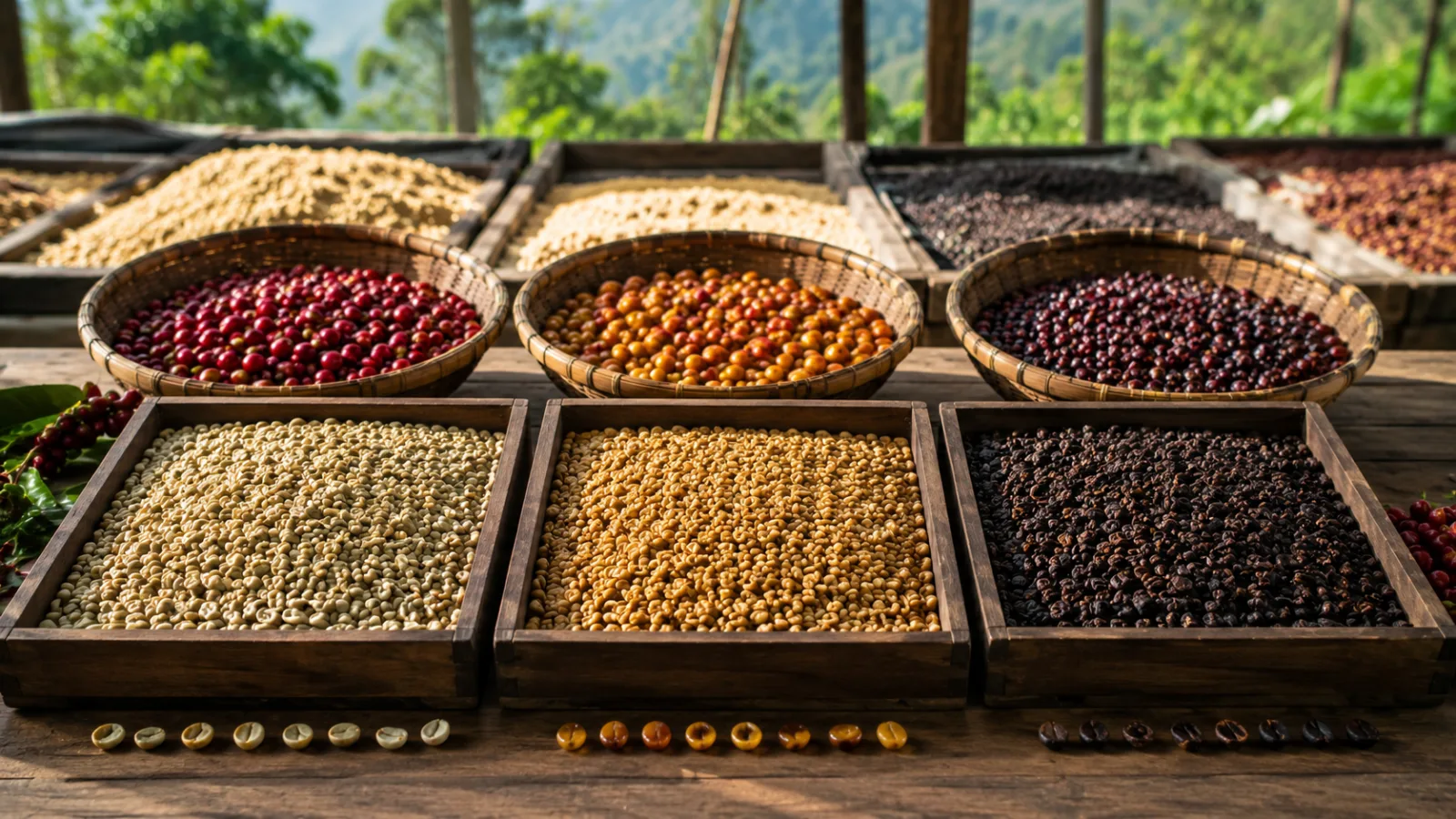
Wild Luwak Coffee: Why Authentic Wild Civet Coffee Remains One of the World’s Most Exclusive Coffees
Exclusive Indonesian Coffee Guide
Wild Luwak Coffee is one of Indonesia’s most recognized rare coffees. For serious buyers, the real value is not only the famous name, but the difference between wild civet selection, ethical collection, careful cleaning, quality control, and a cup profile that is smooth, rounded, and memorable.
This guide is written for international coffee lovers, cafes, roasters, gift buyers, and export-minded buyers who want a clearer explanation before ordering Wild Luwak Arabica Coffee. It explains wild vs caged civet coffee, traceability, quality review, flavor profile, brewing, and the practical questions buyers should ask before purchasing authentic wild civet coffee from Indonesia.
In this guide
What wild luwak coffee is
Wild vs caged civet
Traceability and verification
Quality control
Buyer FAQ
What wild luwak coffee is
Wild vs caged civet
Traceability and verification
Quality control
Buyer FAQ
What Is Wild Luwak Coffee?
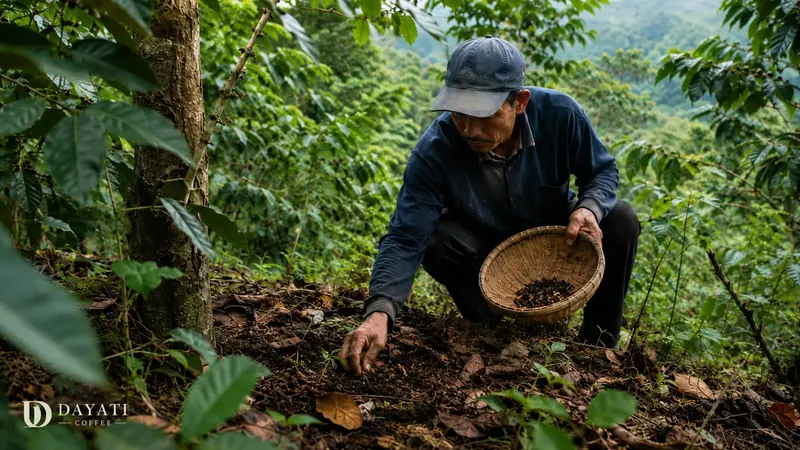
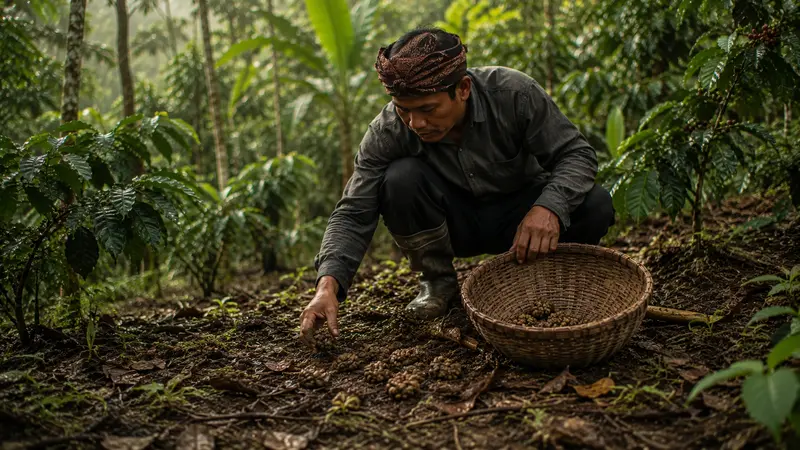
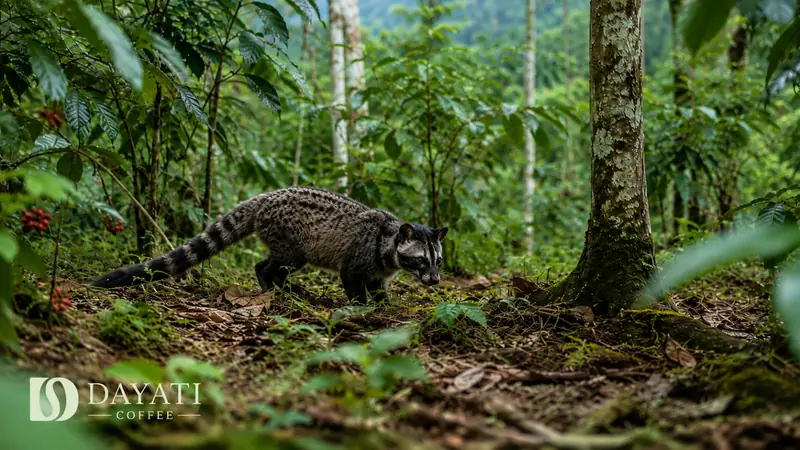
Wild Luwak Coffee, also known as authentic wild civet coffee, is coffee made from beans that have passed naturally through free-roaming Asian palm civets. In Indonesia, the word luwak refers to the civet. The animal eats ripe coffee cherries, digests the fruit pulp, and leaves the inner coffee beans behind. Those beans are then collected, cleaned, dried, hulled, sorted, roasted, and packed for brewing.
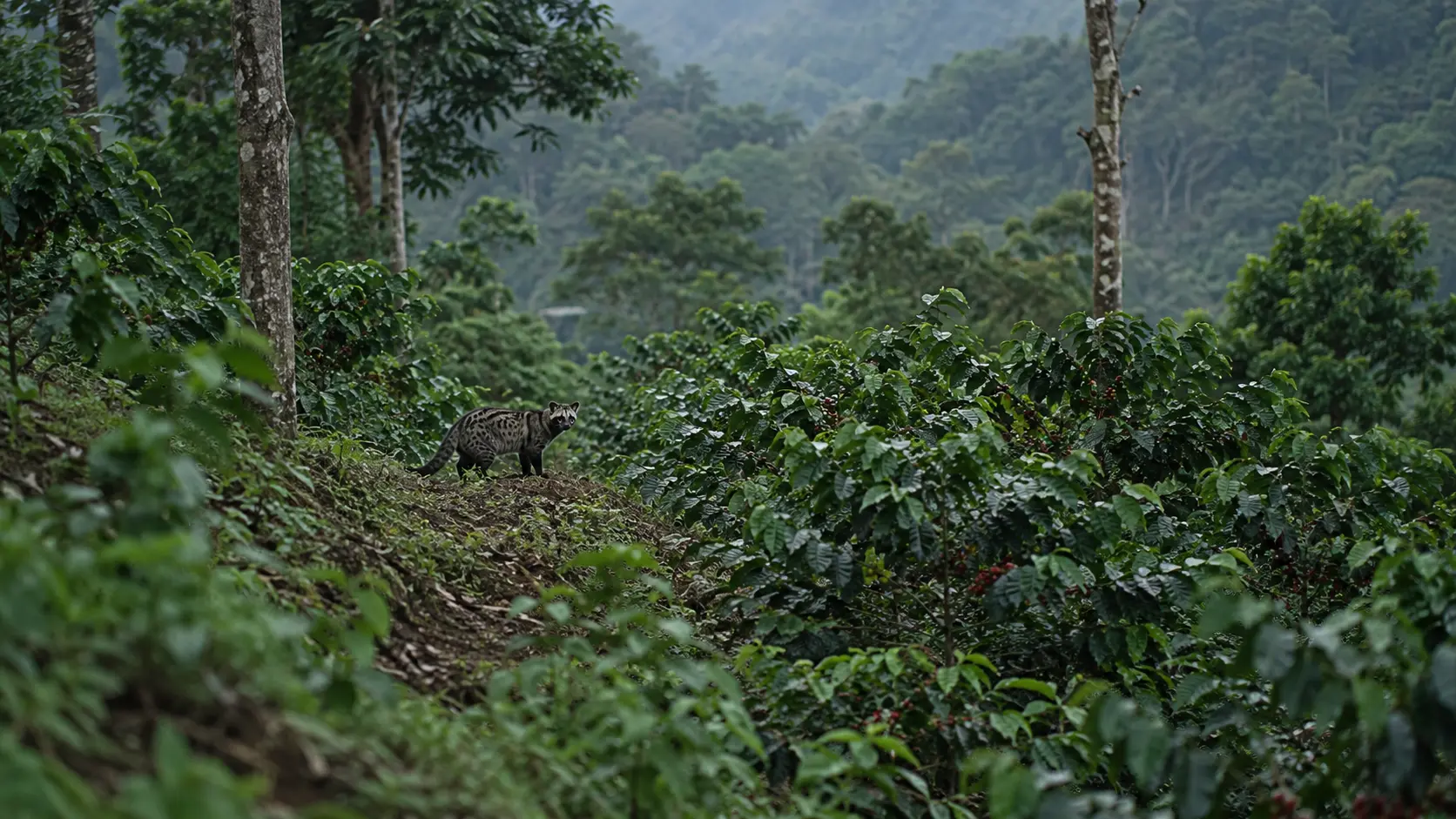
The word wild is the most important part. Authentic wild luwak coffee should come from civets that move freely in their natural habitat, not from animals kept in cages and force-fed coffee cherries. This distinction matters for animal welfare, product integrity, and buyer trust. A free-roaming civet may select ripe cherries naturally, while captive production can remove natural selection and create serious ethical concerns.
Because of that, Dayati positions wild luwak coffee as a rare Indonesian specialty experience, not a mass commodity. Buyers should expect limited availability, clear communication, and realistic information about roast profile, pack size, grind option, shipping discussion, and current stock.
Origin focusIndonesia, with Arabica coffee selected for a smooth specialty-style profile.
Collection principleWild-sourced and cage-free positioning, not captive civet farming.
Customer supportAvailability, samples, shipping, and order quantity are confirmed before purchase.
Wild Luwak Coffee vs Caged Civet Coffee
Many products in the global market use the words premium, authentic, or rare. Those words are not enough. The real comparison buyers care about is whether the coffee is wild-sourced or linked to captive civet production. This is where serious brands must communicate clearly.
| Aspect | Wild Luwak Coffee | Caged Civet Coffee |
| Animal condition | Civets roam freely in natural coffee-growing landscapes. | Civets may be confined and fed coffee cherries unnaturally. |
| Ethical concern | Better aligned with cage-free sourcing and natural animal behavior. | Frequently criticized by animal welfare organizations. |
| Supply | Limited, seasonal, and dependent on natural collection. | Can be pushed for higher output, which increases welfare risk. |
| Buyer trust | Requires honest explanation, batch availability, and practical verification. | Often raises questions about authenticity and humane treatment. |
| Best positioning | Rare Indonesian specialty coffee for tasting, gifting, and premium buyers. | Not suitable for a brand that wants ethical global positioning. |
World Animal Protection notes that wild-sourced, cage-free civet coffee is the humane option because civets remain in their natural habitat. The Specialty Coffee Association also provides standards and education around coffee quality, evaluation, and professional practice. Dayati uses these references as context for responsible communication, not as a claim of certification.
World Animal Protection: Civet Coffee SCA Coffee Standards
Traceability and Verification: What Buyers Should Ask
The wild luwak market is full of strong claims. That is why buyers should look for practical verification instead of relying on luxury language. A responsible seller should be able to explain how the product is positioned, what can be confirmed, what cannot be overpromised, and how the coffee is handled before it reaches the customer.
01Collection context
Collected from coffee-growing landscapes where civets move freely, not presented as captive farm output.
02Cleaning and drying
Beans must be washed, dried, and protected from moisture, mold, and off odors.
03Sorting review
Defective beans should be removed before roasting, packing, or sampling.
04Buyer confirmation
Stock, roast profile, grind size, shipping, and sample discussion are confirmed before order.
For Dayati Coffee, the practical standard is simple: do not sell confusion. The product page, article content, and buyer communication should make the offer easier to understand. That includes clear notes on availability, roast profile, packaging, grind options, and whether the buyer is purchasing for personal use, cafe testing, gifting, or larger supply discussion.
Quality Control: From Wild Collection to Buyer-Ready Coffee
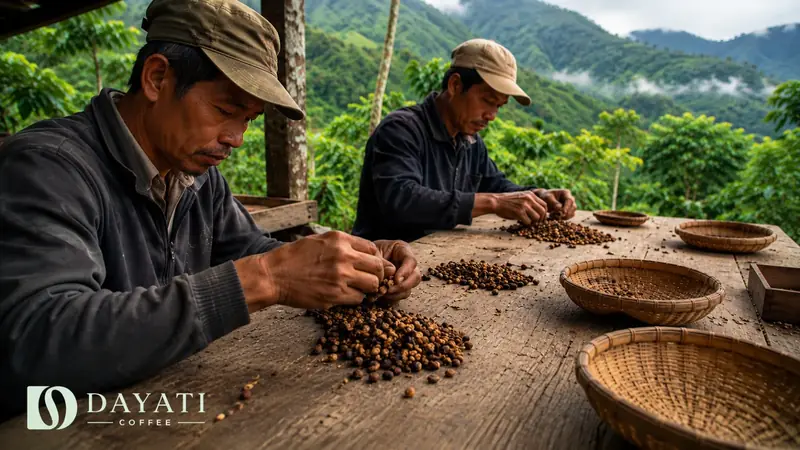
Wild luwak coffee requires strict handling after collection. The beans must be separated from debris, washed thoroughly, dried properly, hulled, sorted, and roasted with care. Poor drying can create mold risk and unpleasant flavor. Poor sorting can leave defective beans in the final pack. Poor roasting can hide the coffee’s smooth profile behind bitterness.
A clean wild luwak cup should not taste dirty, stale, or harsh. It should feel smooth, rounded, aromatic, and easy to drink. Depending on roast level and brewing method, buyers may notice mild cocoa, toasted nuts, caramel-like sweetness, soft spice, earthy sweetness, or a mellow finish. The flavor should be explained honestly because every batch can vary by origin, process, roast profile, freshness, and brewing method.
Dayati Coffee presents Premium Wild Civet Coffee as a limited specialty product. Current stock, roast profile, grind size, and order quantity should be discussed clearly, especially for cafes, sample requests, and buyers comparing rare Indonesian coffees.
Dayati Coffee quality note
Quality review is handled through practical checks: visual sorting, aroma review, roast suitability, packaging condition, and buyer communication. Dayati does not present wild luwak coffee as unlimited stock or as a vague luxury claim. Availability should be confirmed per order.
Why Wild Luwak Coffee Appeals to Global Buyers
International buyers are not only searching for “kopi luwak.” Many serious buyers search for terms such as wild civet coffee, authentic kopi luwak, ethical kopi luwak, wild civet coffee beans, specialty civet coffee, and premium wild luwak coffee. These phrases show stronger commercial intent because the buyer is usually comparing authenticity, sourcing, and trust.
For that reason, the page must do more than describe taste. It should answer the questions a careful buyer has before sending an inquiry: Is the coffee wild-sourced? Is it cage-free? How limited is the supply? What pack size is available? Can I choose whole bean or ground coffee? How should it be brewed? Is this suitable for gifting, cafe testing, or sample orders?
Wild luwak coffee works best when the story and the product are aligned. The story creates attention, but trust creates the inquiry. A buyer who understands the difference between wild and caged civet coffee is more likely to ask informed questions and place a serious order.
Internal Coffee Guides for Better Buyer Education
If you are comparing rare Indonesian coffee with other profiles, start with Dayati’s guide to Gayo Arabica Coffee. If you want to understand processing differences, read the guide on Gayo Full Wash vs Natural vs Honey Process. For company positioning and customer support, visit About Dayati Coffee.
These internal guides help connect wild luwak coffee with a broader Indonesian specialty coffee context. That is important for topical authority and also useful for real buyers who want to understand origin, processing, flavor, and supply before ordering.
Recommended Brewing and Serving
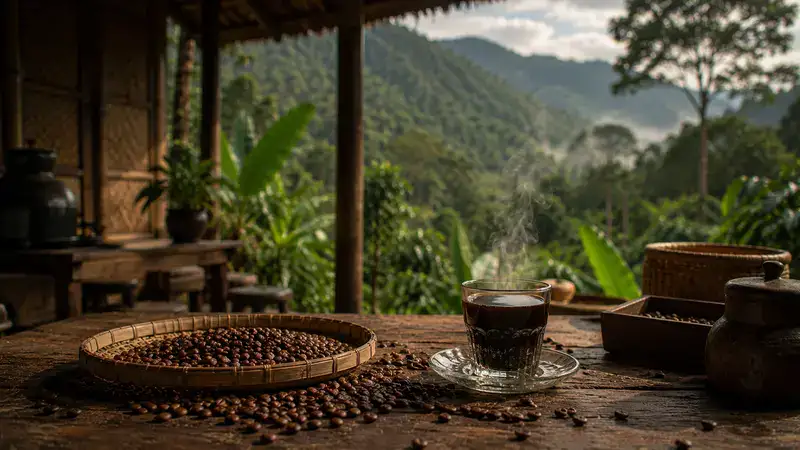
Wild luwak coffee is best tasted black first so the drinker can evaluate aroma, body, sweetness, acidity, and aftertaste without milk or sugar. Manual brewing methods such as V60, Kalita, AeroPress, French press, and simple immersion brewing can all work well. A practical starting recipe is 15 grams of coffee with 225-250 ml of water at around 90-94 C.
If the cup tastes too thin, use a slightly finer grind or a little more coffee. If it tastes too bitter or heavy, use a coarser grind or slightly cooler water. Whole bean is recommended for freshness, while ground coffee is practical for buyers who do not use a grinder.
Buyer Due Diligence Checklist Before Ordering
For a product as sensitive as wild civet coffee, due diligence is not a formality. It protects the buyer, the seller, and the reputation of the final brand or cafe that serves the coffee. A serious buyer should not only ask whether the coffee is “original.” That question is too broad. Better questions are more specific: What is the sourcing position? Is the product wild-sourced and cage-free? Is stock limited? What roast profile is available? Is the product sold as whole bean or ground coffee? How should the coffee be stored after opening?
Dayati Coffee keeps the buying process direct because rare coffee can be misunderstood easily. We prefer practical discussion over dramatic promises. If a buyer needs samples, order quantity discussion, shipping coordination, or current availability, those details should be confirmed before purchase. This protects expectations and helps the buyer understand whether the product is suitable for personal tasting, gifting, retail display, cafe service, or wholesale sampling.
- Ask for current availability. Wild luwak coffee should not be treated like unlimited commodity stock.
- Confirm format. Choose whole bean when freshness matters most; choose ground coffee only when convenience is more important.
- Confirm roast profile. Medium roast is often preferred for smoothness and balance.
- Discuss shipping early. Delivery timing and shipping cost depend on destination and order quantity.
- Request clear product information. Serious buyers need details they can explain to customers, guests, or internal teams.
What Dayati Coffee Can Confirm and What We Do Not Overpromise
Trust is built not only by saying what a product is, but also by being clear about what should not be exaggerated. Wild luwak coffee is rare, but rarity should not become an excuse for vague claims. Dayati Coffee can discuss product positioning, roast profile, grind option, packaging condition, stock availability, sample requests, and customer support. We can also explain why wild-sourced, cage-free positioning is different from captive civet production.
At the same time, responsible communication means avoiding claims that cannot be verified for every buyer or every batch. We do not present wild luwak coffee as a medical product, a miracle drink, or an unlimited export commodity. We do not use private-label packaging claims for this offer. We do not encourage captive civet farming as a premium sourcing model. This kind of clarity may sound simple, but it is exactly what many serious international buyers want: fewer confusing claims and more useful information.
Clear offer
Wild luwak coffee is presented as a rare Indonesian specialty coffee with limited availability.
Clear limits
Stock, sample, roast, grind, and shipping details should be confirmed before order.
Clear ethics
Dayati does not position captive civet production as a premium sourcing model.
Export and Inquiry Readiness for Global Buyers
Customers often need more than a product photo. They need a seller who can respond clearly, explain the product, and help them understand the buying process. For rare coffee such as wild luwak coffee, inquiry readiness is especially important because buyers may compare several sellers before deciding where to request samples or place an order.
A good inquiry should include the buyer’s country, desired quantity, preferred roast profile, whole bean or ground coffee preference, intended use, and whether the order is for personal use, gift sets, cafe testing, retail shelves, or distributor evaluation. This information helps Dayati Coffee respond with more accurate availability and shipping discussion. It also prevents unnecessary back-and-forth that slows the buying process.
For cafes and retailers, the product story matters. Customers may ask whether the coffee is wild or caged, whether it is ethical, why it is expensive, and how it should taste. A buyer who understands those answers can present the product more confidently. That is why this article includes comparison tables, verification points, and FAQ content instead of relying only on short sales copy.
Flavor Expectation: Smooth, Rare, and Better When Brewed Carefully
Wild luwak coffee is often described as smooth and low in bitterness, but buyers should understand that flavor still depends on roast level, water, grind size, brewing ratio, and freshness. A rare coffee can still taste disappointing if it is brewed carelessly. Conversely, a properly roasted and freshly brewed cup can show the mellow character that makes wild civet coffee interesting to premium coffee drinkers.
When tasting the coffee, pay attention to aroma first. Then evaluate sweetness, body, acidity, bitterness, and finish. A clean cup should feel rounded and pleasant. It may show cocoa, mild spice, nutty sweetness, soft earthy notes, or a caramel-like aftertaste. It should not smell moldy, dirty, or overly fermented. If those negative notes appear, the issue may come from poor processing, poor storage, stale coffee, or unsuitable brewing rather than from the category itself.
For sample buyers, we recommend documenting the brewing method used during tasting. Write down the dose, water volume, water temperature, grind size, brew time, and tasting impression. This makes repeat evaluation easier and helps a team compare wild luwak coffee with other Indonesian specialty coffees such as Gayo Arabica, natural process coffee, honey process coffee, or full wash coffee.
Why This Guide Helps Buyers Choose With Confidence
This page is written to serve both search engines and actual buyers. Keyword coverage matters, but keyword stuffing does not create trust. The stronger approach is to answer the questions behind the search. Someone searching for wild luwak coffee may want to know the price. Someone searching for authentic wild civet coffee may want proof of sourcing. Someone searching for ethical kopi luwak may want to avoid caged civet coffee. Someone searching for premium wild luwak coffee may be preparing to buy gifts, samples, or a rare coffee for retail.
That is why the page includes semantic terms such as wild kopi luwak, authentic kopi luwak, civet coffee from Indonesia, wild civet coffee beans, ethical kopi luwak, specialty civet coffee, premium wild luwak coffee, and authentic wild luwak coffee from Indonesia. These phrases are used naturally because they reflect real buyer concerns. The goal is not only to rank for one keyword, but to build topical authority around rare Indonesian civet coffee and help the right buyer take the next step.
Frequently Asked Questions About Ethical Wild Luwak Coffee
Is Dayati Wild Luwak Coffee from caged civets?
The product is positioned around wild-sourced, cage-free civet coffee. Dayati does not promote captive civet farming as a premium sourcing model.
Can Dayati provide unlimited wild luwak coffee stock?
No. Wild luwak coffee is limited and seasonal. Availability should be confirmed before ordering, especially for sample orders, cafes, and larger buyer requests.
How is authenticity communicated to buyers?
Dayati focuses on collection context, product photos, cleaning and sorting explanation, current availability, roast profile, grind option, and clear buyer communication rather than exaggerated claims.
Is this suitable for international buyers?
Yes, it is suitable for premium tasting, gifts, sample discussions, cafes, specialty retail, and buyers who want authentic Indonesian wild civet coffee with clear product information.
Can I request samples or discuss bulk availability?
Yes. Because stock is limited, sample and order quantity discussions should be handled directly through Dayati Coffee before purchase.
Ready to discuss Wild Luwak Coffee availability?
Check product details or contact Dayati Coffee for sample, order quantity, roast profile, grind size, and shipping discussion.
Recommended next step
Choose the coffee that fits your cup
Use the guide above to compare taste, process, and brewing preference, then continue with the most relevant Dayati Coffee selection.
Need a larger quantity? Contact Dayati Coffee for availability and shipping discussion.

You might also like